
MEP BIM modeling is reshaping how contractors design, coordinate, and deliver work. Integrating mechanical, electrical, and plumbing systems into a shared digital model helps teams plan with accuracy and avoid rework. Today’s projects move faster and carry tighter margins, which is why contractors depend on BIM to eliminate uncertainty.
Industry research highlights this need. Autodesk reports that rework accounts for nearly 30 percent of construction cost and often comes from coordination gaps. [Source]
MEP contractors require connected workflows that catch problems early. BIM modeling provides the visibility needed to reduce risk and protect schedule reliability.
What Is MEP BIM Modeling
MEP BIM modeling combines mechanical, electrical, and plumbing systems inside a coordinated digital environment. This includes:
- Detailed 3D system layouts
- Integration with architectural and structural designs
- Real-time updates throughout design and construction
- Support for planning, fabrication, and field installation
When teams work from a unified model, they reduce conflict and plan installations with confidence. This helps contractors control labor, material planning, and project cost.
Why BIM Usage Matters for Data Center Projects and Hanger Placement
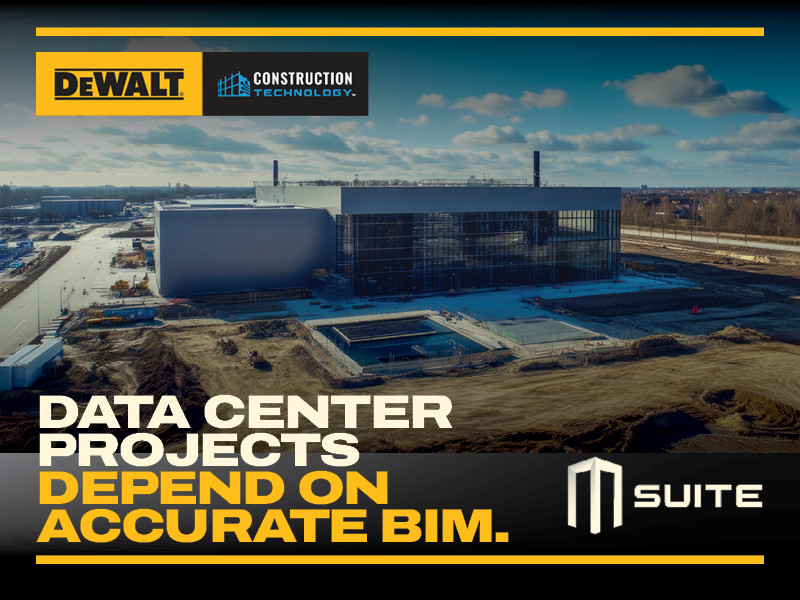
Data center construction amplifies coordination challenges. Mechanical density, short installation windows, and strict commissioning milestones create pressure on every trade. These projects rely heavily on accurate BIM usage because there is no room for improvisation once fabrication starts.
With data center projects in particular, hanger placement becomes a major source of frustration. Designers build layouts that meet engineering intent, yet fabrication shops need constructible hanger data that matches actual labor sequences and cut lists. When design teams and fabrication teams work in silos, problems appear:
- Inconsistent hanger spacing
- Wrong hanger elevations
- Overloaded structural inserts
- Last minute layout changes
- Cut lists that do not align with field routing
- Costly rework during installation
Even small errors slow production in high volume data center programs. BIM usage helps teams avoid these issues by creating a single source of truth. Design teams and fabrication teams coordinate hanger layouts inside a shared model so the shop receives accurate spools and the field installs with confidence.
MSUITE strengthens this workflow. BIM teams use MSUITE Hangers to push constructible hangers into fabrication sequences with precise cut lists and spool ready outputs. With MSUITE Hangers, hangers are now placed up-front and react to model changes, freeing up valuable time for VDC teams. Field teams receive installation guidance that matches the actual build. This connected BIM to FAB to FIELD approach removes the guesswork that often creates delays in data center delivery.
The result is a reliable installation plan, reduced strain on crews, and predictable fabrication flow across zones. Contractors gain the confidence to scale production without adding risk.
Key Benefits of BIM Technology for MEP Contractors
BIM technology helps MEP contractors deliver higher accuracy and stronger financial performance. Major benefits include:
- Better visualization of complex systems | Teams understand routing, clearance, and spatial constraints before fabrication.
- Early clash detection | Conflicts surface early so crews avoid rework and wasted labor.
- Accurate material and cost planning | BIM supports precise takeoffs and improves budget control.
- Improved collaboration | Architects, engineers, and contractors work from the same coordinated model.
- Stronger sustainability performance | BIM helps optimize energy use and system efficiency. McKinsey research shows digital design workflows drive better lifecycle results. [Source]
These benefits help MEP contractors deliver consistent outcomes on projects that demand speed and quality.
Understanding Mechanical, Electrical, and Plumbing in BIM
Mechanical Systems (HVAC)
- Mechanical modeling covers ductwork, air handling units, mechanical rooms, and ventilation routes. BIM improves layout precision and airflow planning.
Electrical Systems
- Electrical modeling includes lighting, feeders, devices, panels, and conduit paths. BIM reduces congestion and improves safety and reliability.
Plumbing Systems
- Plumbing modeling includes supply, waste, vent, and specialty piping. BIM reduces rerouting in the field and improves sequencing.
Together these systems form the core of building performance. When modeled in BIM, they operate as a coordinated whole rather than isolated components.
The MEP BIM Modeling Process: Step by Step
- Planning and Requirements | Teams identify project goals, scope, and coordination standards.
- Design Development | Contractors build detailed 3D models and integrate them with architectural and structural elements.
- Clash Detection and Coordination | Teams resolve conflicts early through coordinated review cycles.
- Model Validation | Designs are checked for accuracy, code compliance, and installation readiness.
- Construction and Installation | The validated model drives fabrication, layout, and field installation.
This structured process improves schedule certainty and prevents errors that often slow teams in later phases.
MEP Coordination and Clash Detection
Clash detection remains one of the strongest use cases for MEP BIM modeling. It allows teams to:
- Reduce field rework
- Improve labor productivity
- Avoid material waste
- Maintain schedule commitments
Teams visualize conflicts, eliminate issues, and produce coordinated fabrication drawings. This creates predictable installation plans and reduces risk for the contractor.
3D BIM MEP Modeling Services and Point Cloud Integration
3D BIM modeling services help MEP contractors understand complex system designs and plan installations with precision. Point cloud integration strengthens this work by capturing accurate as-built conditions. Benefits include:
- Reliable field verification
- Better alignment between existing systems and new work
- Improved facility management after turnover
Point cloud data creates confidence during renovation or retrofit work and reduces surprises once construction begins.
How MEP BIM Modeling Supports Sustainable and Efficient Design
BIM modeling helps teams simulate energy use, airflow, lighting, and system performance. This produces:
- Lower operating costs
- Better resource efficiency
- Improved integration of systems
- Stronger alignment with LEED requirements
Sustainability goals become easier to meet when teams understand how systems perform before they build.
Choosing the Right MEP BIM Modeling Services
When selecting MEP BIM services or platforms, contractors should evaluate:
- Proven experience with MEP and fabrication workflows
- Ability to customize processes
- Integration with downstream fabrication and field tools
- Strong customer support
- Case studies and results
These factors help contractors choose partners that improve outcomes rather than complicate processes.
Case Studies: How MSUITE Helps MEP BIM Modeling and Fabrication
Modern BIM modeling reaches its full potential when it connects directly to fabrication and field operations. MSUITE helps outsourced BIM consulting groups and fabrication teams close this loop by linking modeling, spooling, production tracking, and installation in one ecosystem.
Two strong examples are BIM Design Expert firms MLP Consulting and EvolutionBIM, both of which modernized their BIM operations with MSUITE. These firms support contractors with high quality modeling services and rely on MSUITE to turn coordinated BIM models into accurate fabrication and installation deliverables.
Results with MSUITE:
- Faster spool creation through automated BIM workflows
- Real-time visibility into shop progress with production tracking
- Installation-ready outputs that keep field crews aligned
- Fewer manual updates because data stays structured and connected
MSUITE structures fabrication data so both consulting firms and contractors can leverage AI, scale production, and make decisions with reliable shop and field intelligence. By connecting BIM to FAB to FIELD, teams avoid the disconnect between design and fabrication that slows projects and increases cost.
Modern BIM modeling reaches its full potential when connected to fabrication and field operations. MSUITE helps MEP and industrial fabricators close this loop by linking modeling, spooling, production tracking, and installation into one ecosystem.
Additional resources:
- Autodesk Construction Statistics
- McKinsey Imagining Construction’s Digital Future
- FMI Labor Productivity Report
- MSUITE Product Overview
The Future of MEP BIM Modeling
MEP BIM modeling will continue to expand as owners demand higher reliability, better documentation, and predictable delivery. Contractors that connect BIM to fabrication and field operations will lead this shift. AI adoption will accelerate this trend because AI depends on structured and connected data across modeling, production, and installation.
Firms that invest in these capabilities now will build faster, reduce risk, and deliver stronger outcomes on every project.
Question: What is MEP BIM modeling and why is it important?
MEP BIM modeling is the process of creating coordinated 3D digital models for mechanical, electrical, and plumbing systems. It improves accuracy, eliminates clashes, and supports fabrication and field installation. MEP contractors rely on BIM to reduce rework, improve hanger placement, accelerate data center delivery, and connect design to fabrication using tools like MSUITE. These workflows help teams deliver predictable and efficient projects.